A Refined Neck Can Ease Dysphoria and Enhance Confidence

For many transgender women, the appearance of the Adam’s apple is a persistent source of dysphoria. Even when other facial features align, prominence in the neck can draw unwanted attention and affect comfort in daily life. At FFSNYC, tracheal shave surgery is approached with precision, safety, and respect, focusing on natural refinement rather than aggressive change.

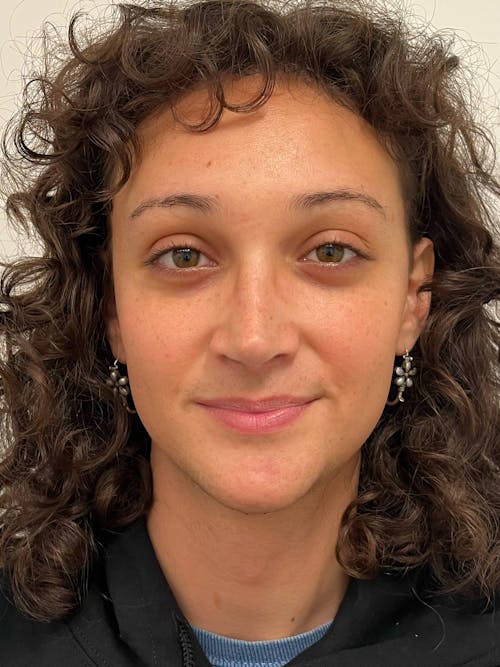
woman with long dark hair

What Is a Tracheal Shave?

A tracheal shave is a surgical procedure that reduces the prominence of the thyroid cartilage, commonly known as the Adam’s apple.

The goal is to create a smoother neck contour that aligns with feminine anatomy while protecting vocal function. This procedure is also referred to as adam's apple reduction in NYC and is a common component of facial feminization surgery.
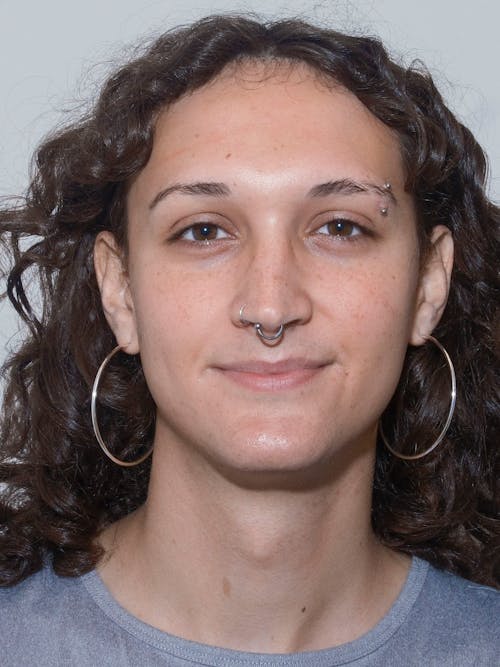
Before & After Tracheal Shave

Schedule a Consultation

Contact Us
Contact us media

Why Choose FFSNYC for Tracheal Shave?

Tracheal shave surgery requires meticulous technique to balance aesthetic refinement with vocal safety. At FFSNYC, this procedure is performed with a strong emphasis on anatomical precision and conservative cartilage reduction. Our surgeons are experienced in protecting voice-related structures and can incorporate advanced visualization techniques when appropriate.

FFSNYC offers a multidisciplinary, team-based approach to gender-affirming surgery, bringing together board-certified plastic surgeons and facial plastic surgeons with extensive experience in complex anatomy. With more than 400 gender affirming surgeries performed annually, the team emphasizes safety, individualized planning, and natural outcomes. 

A Careful and Customized Surgical Approach

Precision Planning and Anatomical Evaluation

Before surgery, your care team performs a detailed assessment of neck anatomy, cartilage position, and voice-related structures. This planning phase ensures that the reduction is tailored to your anatomy while prioritizing vocal safety. Conservative, thoughtful planning is essential for achieving a smooth contour without compromising function.

Surgical Technique and Cartilage Reduction

During surgery, a small incision is typically placed in a natural skin crease beneath the chin or along the neck to minimize visible scarring. The surgeon carefully reduces the thyroid cartilage to the desired level while avoiding the vocal cords. This technique is central to adams apple reduction in New York City procedures that prioritize both aesthetics and safety.

Vocal Cord Protection and Visualization

Protecting the voice is a critical aspect of tracheal shave surgery. In certain cases, endoscopic visualization may be used to monitor vocal cord position during cartilage reduction. This added layer of precision is particularly important for patients who rely on their voice professionally or who desire maximum reassurance regarding vocal outcomes.

Integration With Other Facial Feminization Procedures

A tracheal shave is often performed alongside other facial feminization procedures such as rhinoplasty, forehead contouring, or jaw refinement. Combining procedures allows for balanced results and a single recovery period. Your surgical team will guide you on whether this integration is appropriate based on your goals and health considerations.

Background media

Recovery After Tracheal Shave Surgery

Recovery from tracheal shave surgery is typically straightforward, especially when performed as a standalone procedure. Mild swelling, tenderness, and temporary throat discomfort are common during the first week. Most patients return to normal daily activities within several days, avoiding strenuous exercise for a short period. 

Temporary voice changes, such as hoarseness, can occur due to swelling and usually resolve as healing progresses. FFSNYC provides detailed postoperative instructions, close follow-up, and direct access to the care team for patients undergoing tracheal shave.

purple and white flower

Sign up for our newsletter Read the Latest News

This field is required.
Submit

This site is protected by reCAPTCHA and the Google Privacy Policy (opens in a new tab) and Terms of Service (opens in a new tab) apply.

Results and Long-Term Outcomes

Results from tracheal shave surgery are often visible soon after swelling subsides. The neck profile appears smoother and less angular, helping the lower face and neck align more closely with feminine features. 

Scars typically fade over time and are placed to remain discreet. When performed as part of Adams Apple Reduction in NYC planning, the outcome is intended to look natural and unnoticeable to others.

Background media

Frequently Asked Questions

Will a tracheal shave change my voice permanently?

When performed carefully, the procedure is designed to reduce cartilage without affecting the vocal cords. Temporary voice changes from swelling are possible.

How visible is the incision after healing?

Incisions are placed in natural creases and usually heal to become subtle over time with proper scar care.

Is a tracheal shave painful?

Discomfort is generally mild and manageable with prescribed or over-the-counter medication during the early recovery period.

Can this procedure be combined with other surgeries?

Yes. It is often combined with facial feminization procedures to create balanced results and a single recovery timeline.

Is Adam's apple reduction covered by insurance?

FFSNYC works with commercial insurance providers, and many patients qualify for coverage for medically necessary gender affirming procedures.

Schedule Your Consultation for Tracheal Shave Surgery in New York City

Learn whether adams apple reduction is right for you with a personalized consultation focused on safety, comfort, and long-term confidence.

Patients considering tracheal shave in NYC are encouraged to connect with FFSNYC to discuss individualized planning, advanced surgical techniques, and affirming care designed to support a smoother, more aligned neck profile.

Contact us media
Accessibility: If you are vision-impaired or have some other impairment covered by the Americans with Disabilities Act or a similar law, and you wish to discuss potential accommodations related to using this website, please contact our Accessibility Manager at (347) 507-7719.
Contact Us