Hair restoration that improves density, rebuilds the hairline, and supports more confident facial framing through advanced transplantation techniques and personalized planning.
Hair Restoration in New York City


Hair Loss Can Affect More Than Appearance
Hair is one of the most visible parts of self-expression. When hair becomes thinner, recedes at the temples, or changes shape over time, it can impact confidence, self-esteem, and overall well-being in everyday life. For many patients, hair loss becomes a constant distraction, even when other aspects of their appearance feel aligned.
At FFSNYC, hair restoration in NYC is approached as a personalized medical and aesthetic solution. The goal is natural regrowth and a hairline that blends seamlessly with your face, your style, and your identity.
What Is Hair Restoration?
Hair restoration refers to treatments that improve hair density and rebuild areas affected by thinning or recession. In surgical hair restoration, healthy follicles are relocated from donor areas of the scalp to areas where hair is sparse or missing. The result is permanent, natural hair growth that develops gradually over time.
Hair restoration can be an essential part of facial framing for many patients, particularly in gender-affirming care. A fuller hairline and restored temples can soften facial contours, improve balance, and enhance overall facial harmony. Treatment is always tailored to your pattern of hair loss, hair quality, and long-term goals.

Hair Restoration Options Offered at FFSNYC
Hair Transplantation
Hair transplantation is the most common surgical approach to hair restoration. It involves harvesting hair follicles from a donor area, typically the back of the scalp, and implanting them into thinning areas such as the hairline, temples, or crown. In facial framing, transplantation is often used to:
- Restore temple recession
- Create a more feminine or balanced hairline shape
- Add density along the frontal hairline
- Improve coverage around previous surgical scars
Transplanted hair grows naturally and can be styled like the rest of your hair. Because regrowth occurs gradually, results improve over several months and continue refining over the first year.
Hairline Refinement and Feminization
For patients pursuing facial feminization goals, hair restoration can be used to reshape the hairline into a softer, more feminine contour. Masculine hairlines often sit higher with deeper temple recession and a more angular pattern. Refining the hairline with transplantation can create a smoother curve and improved framing.
This approach may also be helpful for patients who previously had hairline advancement or forehead procedures and want additional density, improved scar blending, or more refined contour along the hairline edge.
Scar Camouflage With Hair Transplantation
Hair transplantation can also be used to improve the appearance of scars. This is particularly useful for patients who have had prior surgeries involving the scalp or hairline, such as forehead contouring, hairline advancement, or other reconstructive procedures.
By placing follicles strategically, the hair can grow through and around scar tissue, improving coverage and helping scars blend more naturally. Scar-based transplantation requires careful technique and a realistic plan based on scar quality and blood supply.

Schedule a Consultation
Contact Us
Why Choose FFSNYC?
Hair restoration is both a technical and aesthetic procedure. At FFSNYC, we approach hair transplantation with an emphasis on natural direction, density, and hairline design that fits your face. We focus on results that look believable at every stage, including early regrowth phases and long-term maturation.
Patients choose FFSNYC because our planning is rooted in facial harmony, not just hair growth. For many patients, hair restoration is part of a broader gender affirming plan, and our team understands how hairline shape interacts with the forehead, brows, and overall facial structure. Every plan is personalized to support long-term satisfaction and natural blending.

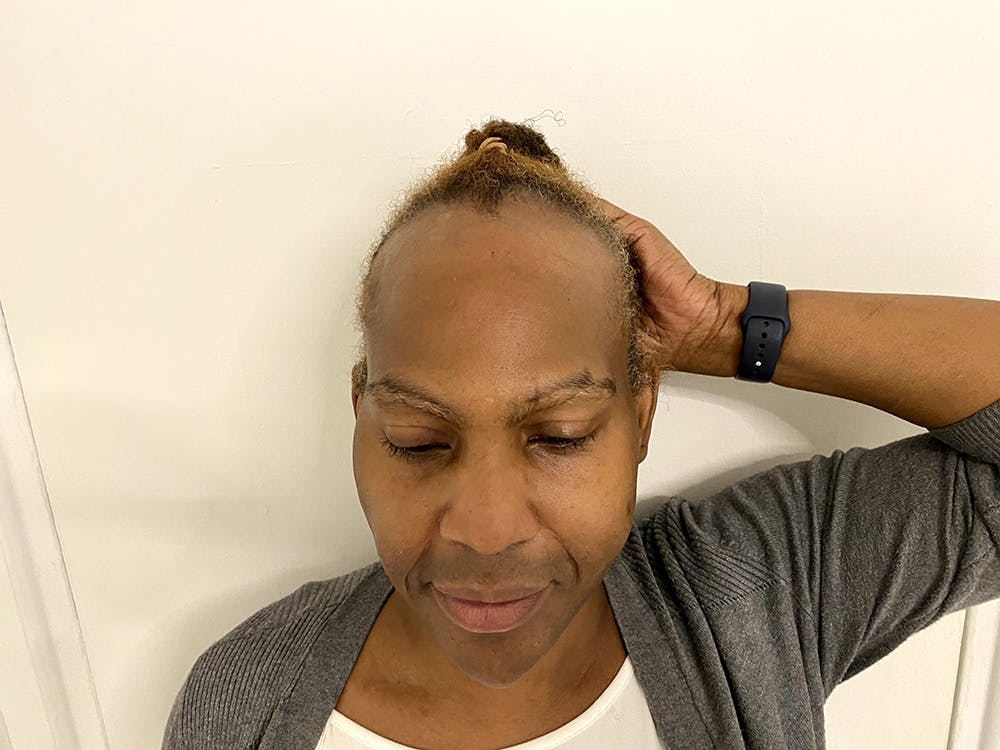
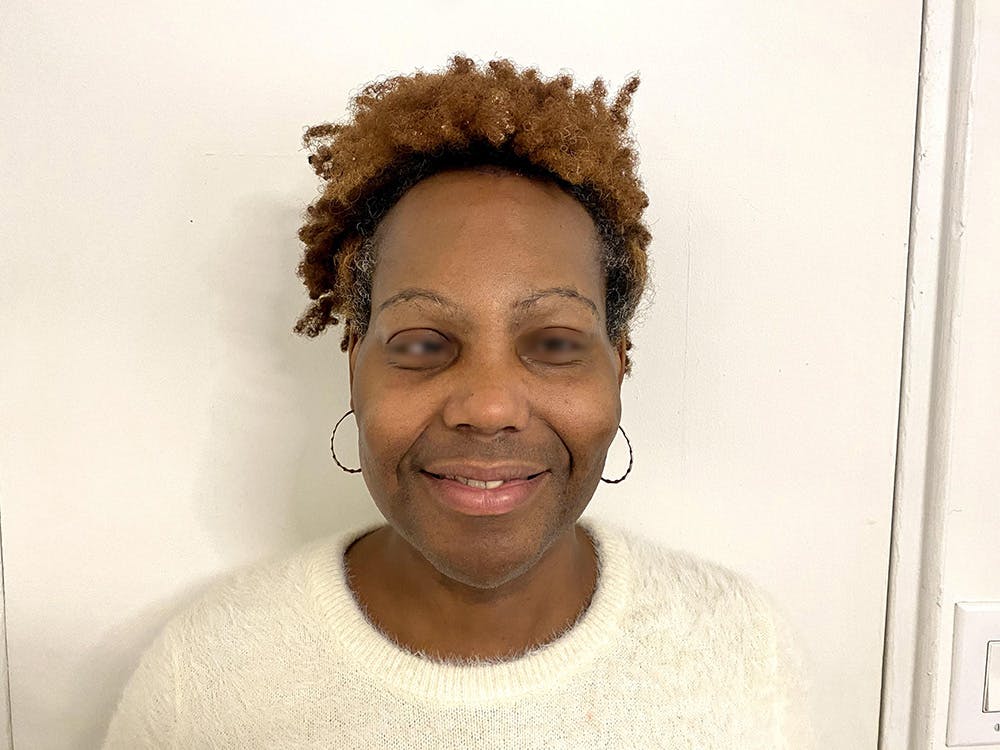
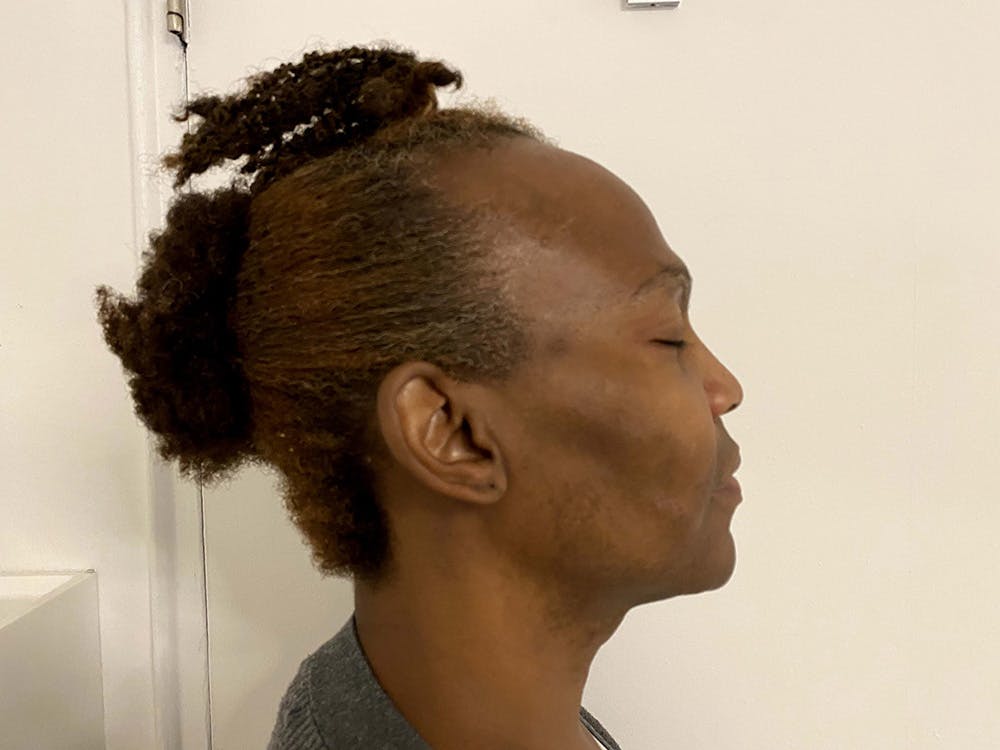
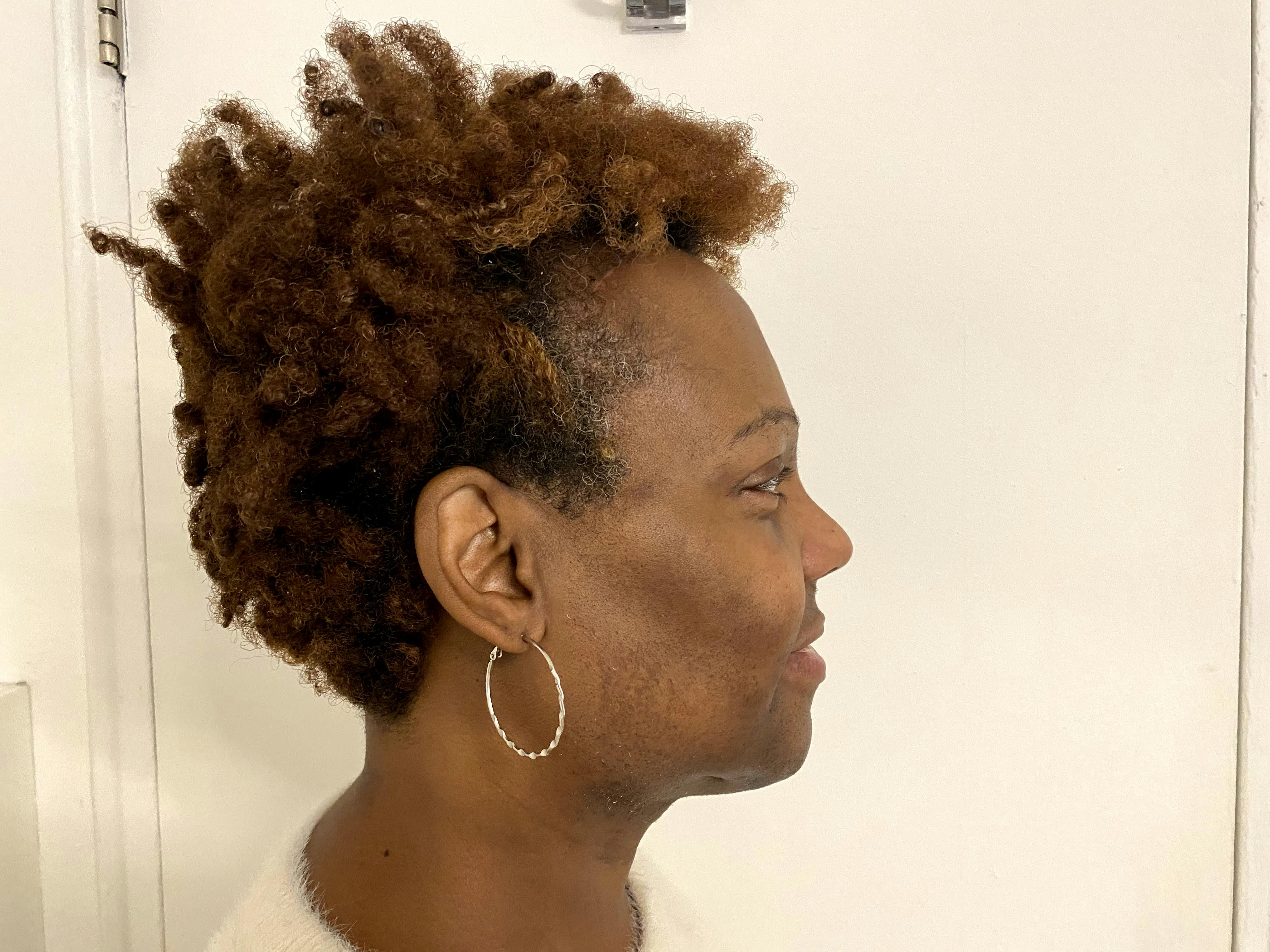
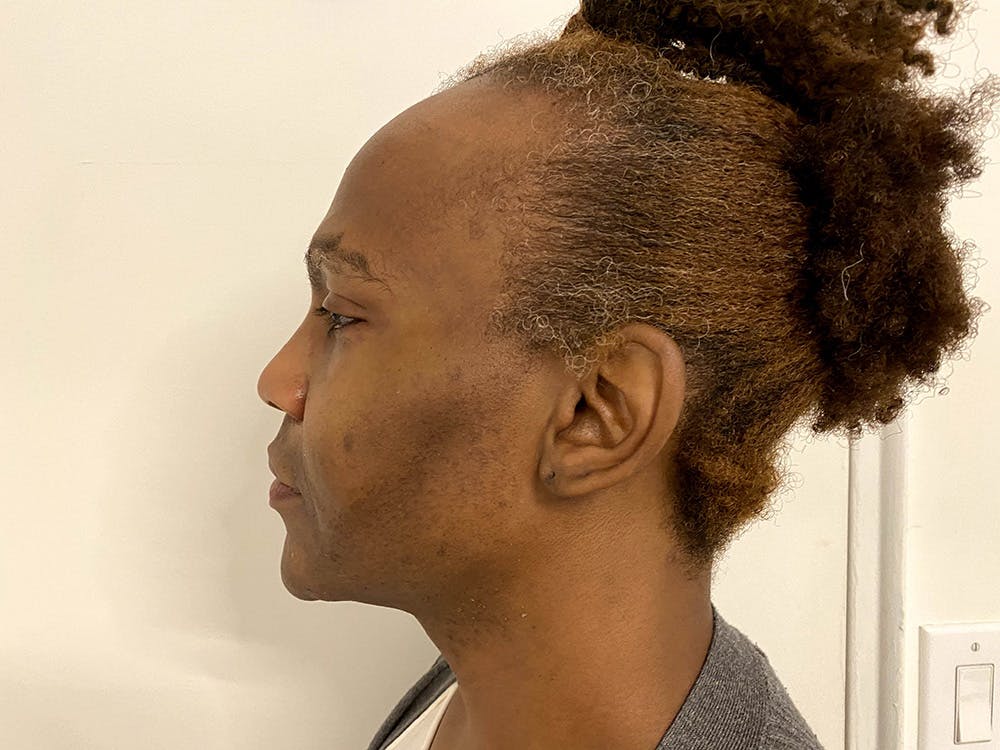
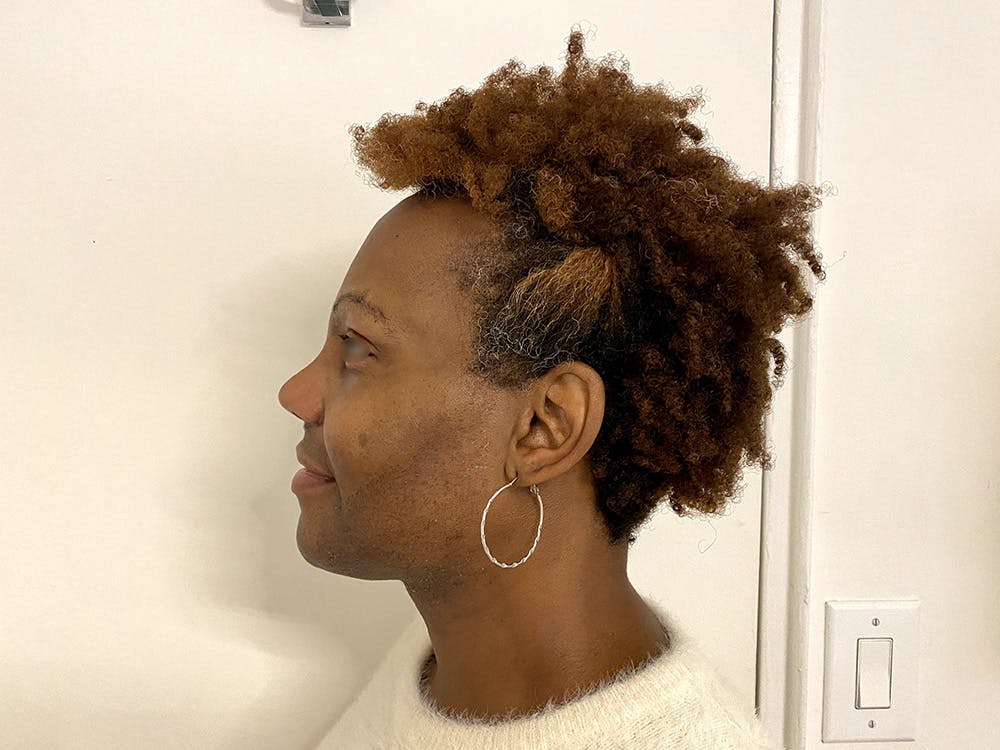
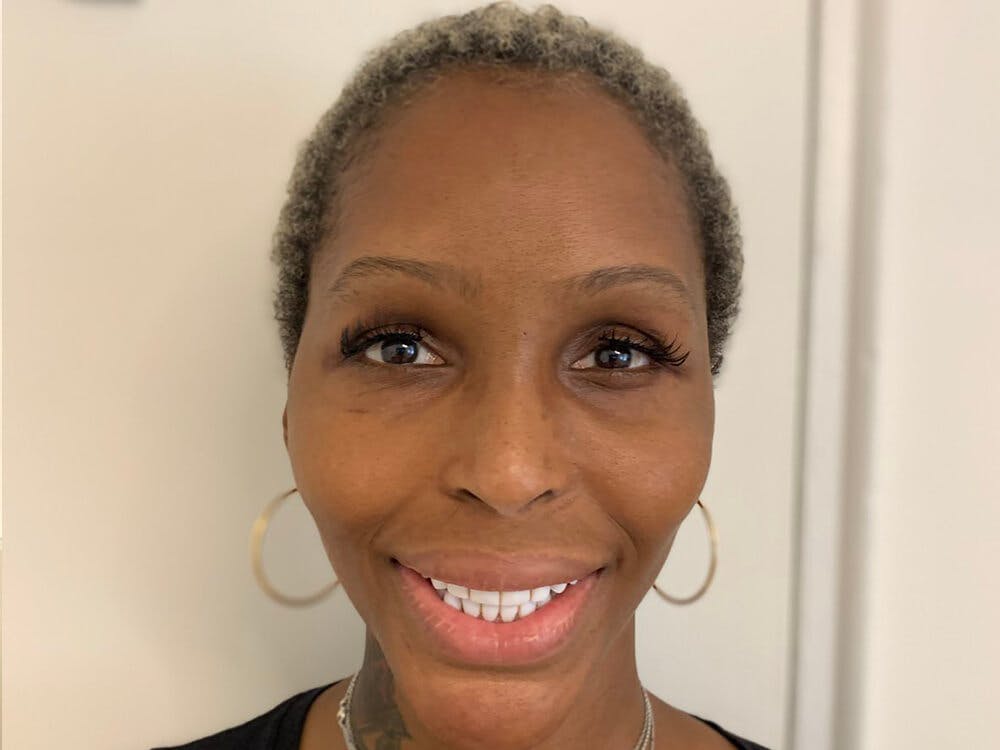
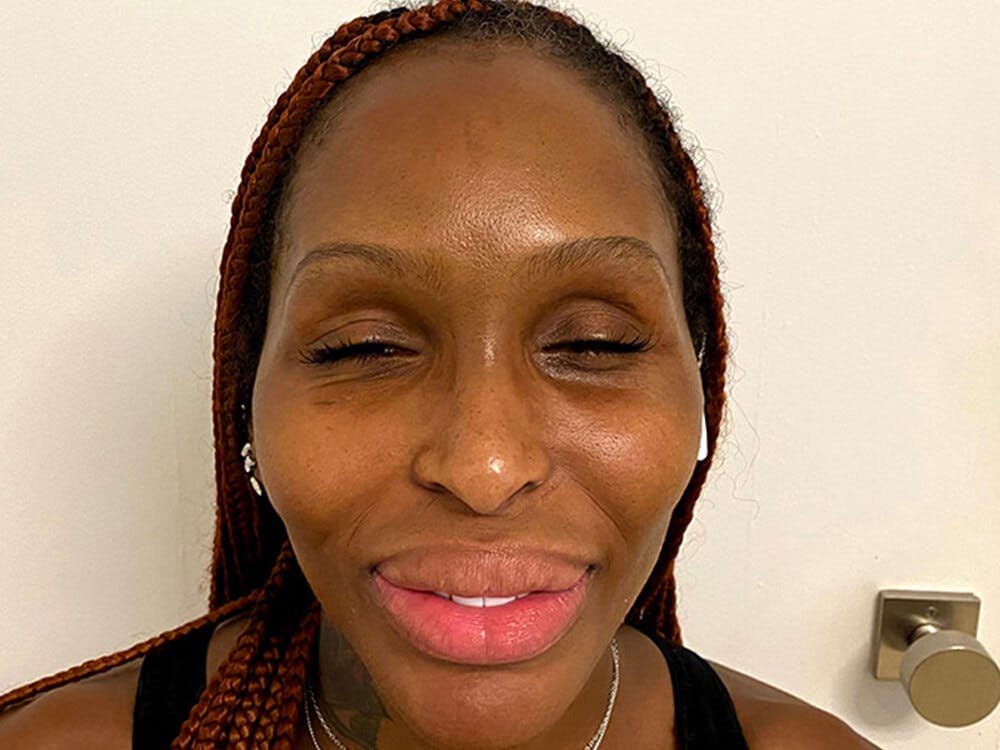
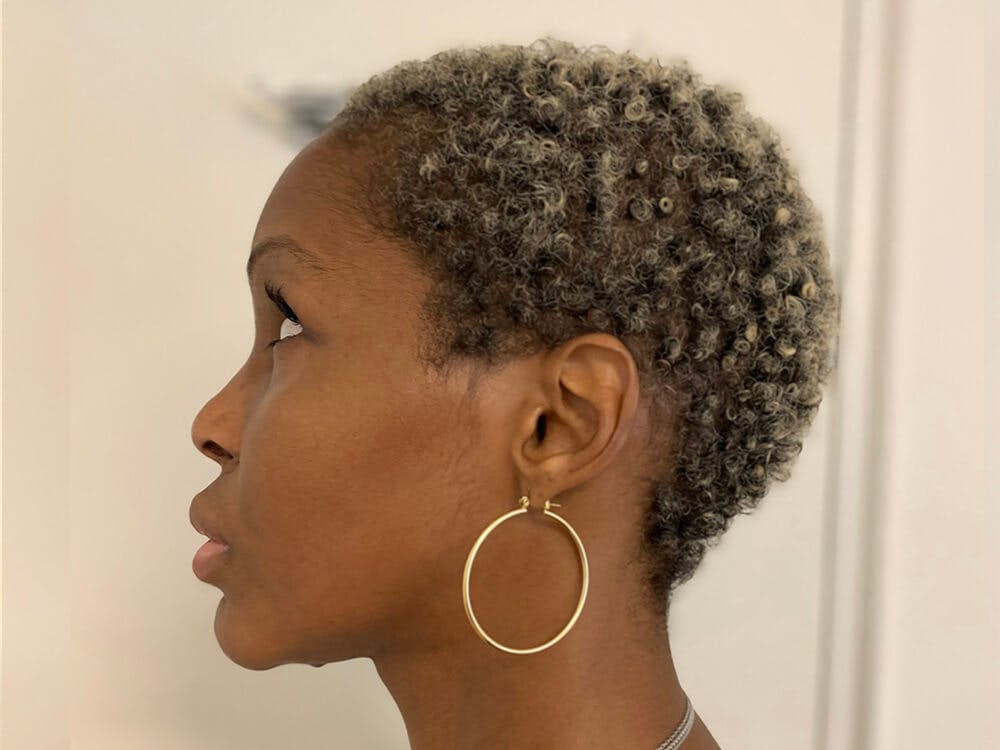
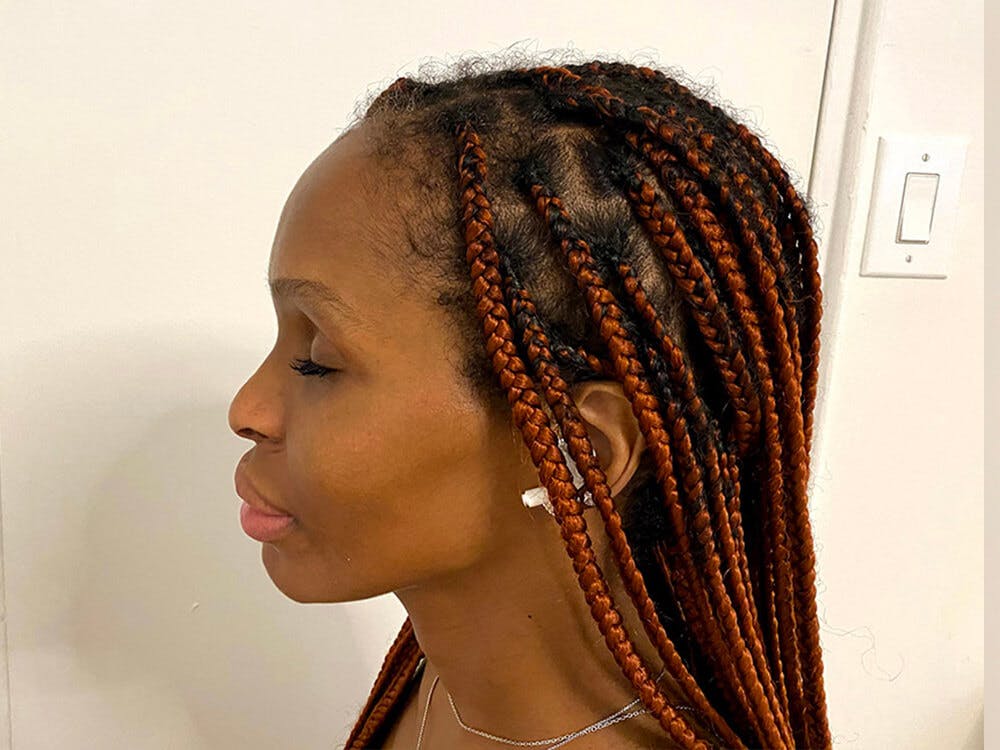
Hairline Advancement Before & After
Patient or Procedure filler text here.
Recovery
Recovery after hair transplantation is typically manageable, but it requires careful aftercare. The scalp may feel tender, tight, and slightly swollen for several days. Small scabs form around transplanted follicles and usually shed within one to two weeks. Mild redness in the treated areas is common during early healing.
It is normal for transplanted hair to shed during the first several weeks. This is part of the growth cycle and does not mean the transplant failed. New growth often begins around three to four months, with continued improvement over the next several months as hair thickens and matures.


Stay Connected With Us
@FFSNYC

Results
Hair restoration in NYC results develop gradually. Most patients begin to see early regrowth within a few months, with noticeable improvement by six months. Full results typically appear around twelve months, depending on the extent of restoration and individual healing.
The goal is a natural, stable hairline and improved density that blends with your existing hair. For many patients, the most meaningful outcome is not just fuller hair, but a restored sense of confidence and comfort in daily life.

Frequently Asked Questions
Am I a good candidate for hair restoration?
Candidates typically have sufficient donor hair and realistic expectations. Your consultation includes scalp evaluation, medical history review, and a discussion of long-term goals.
Does hair transplantation hurt?
Most patients experience mild discomfort rather than significant pain. Local anesthesia is used, and post-procedure soreness is usually manageable with medication and rest.
Will I lose my transplanted hair?
Transplanted hair often sheds in the first few weeks, which is expected. New growth begins months later and becomes long-lasting once established.
How long does it take to see results?
Early growth usually begins around three to four months. Most noticeable results appear by six months, with continued improvement through the first year.
Can hair restoration help feminize the hairline?
Yes. Hairline refinement and temple restoration can soften facial framing and create a more feminine contour, especially when paired with facial feminization planning.
Can hair transplantation cover scars?
In many cases, yes. Hair transplantation can improve scar visibility by restoring density through or around scar tissue, depending on scar quality.
How much time off work will I need?
Many patients return to work within a few days, especially for non-physical jobs. Some prefer a week off while swelling and scabbing resolve.
Is hair restoration covered by insurance?
Coverage varies. Hair restoration is often considered elective, but FFSNYC can help review your options and determine whether coverage may apply in your situation.